
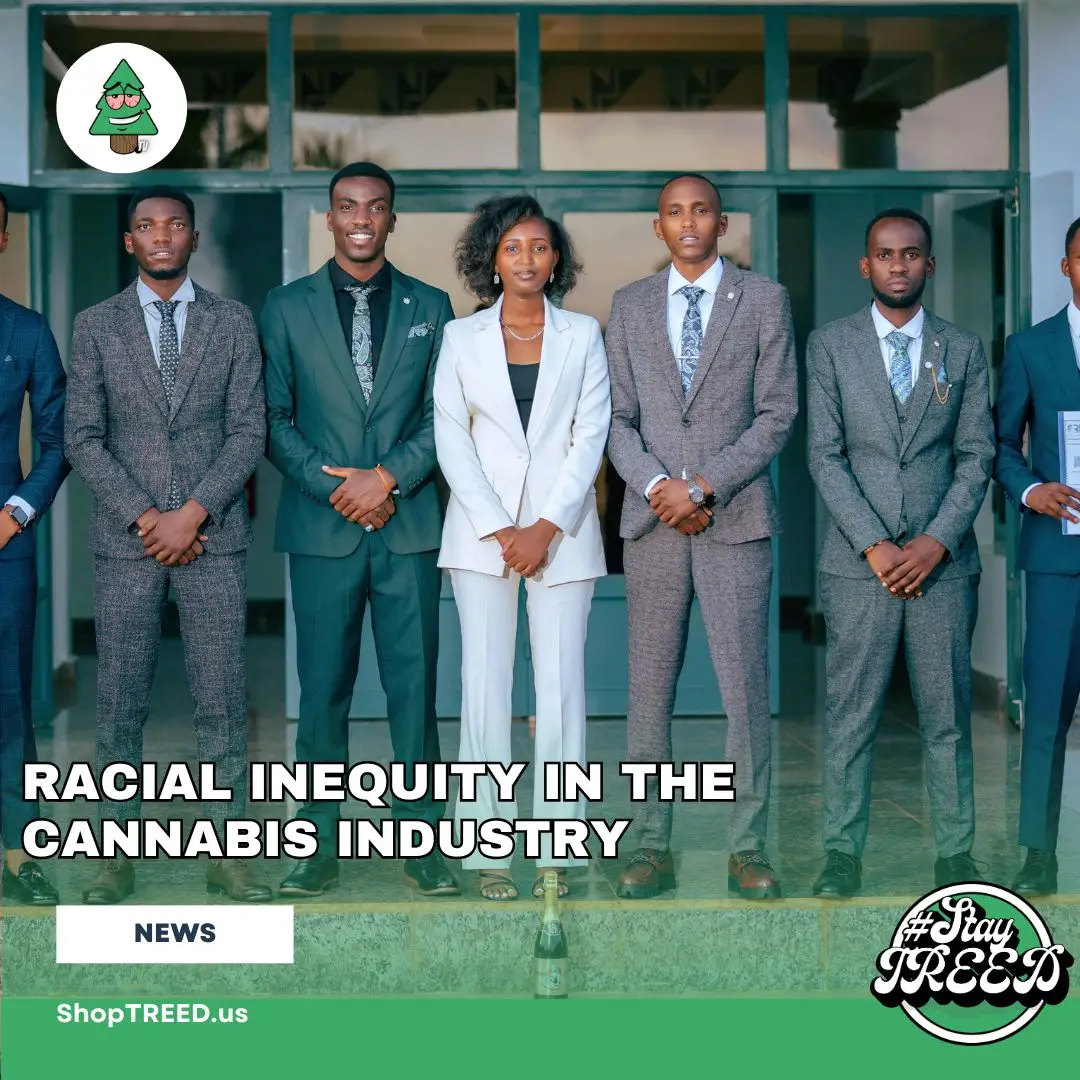
Why Equity Still Matters in a Billion-Dollar Cannabis Industry
The U.S. cannabis market is on track to surpass $40 billion in annual revenue by 2025 yet communities devastated by decades of prohibition are still locked out of ownership, funding, and opportunity. While the industry celebrates record-breaking profits and growing public acceptance, Black and Brown entrepreneurs remain woefully underrepresented, holding less than 2% of cannabis licenses nationwide.
“Legalization without equity is colonization.” These words echo throughout community forums and equity coalitions across the country. Although over 20 states have implemented cannabis social equity programs, success remains mixed. Bureaucracy, underfunding, and systemic barriers continue to limit access for those most affected by the War on Drugs.
This article explores the roots of racial inequity in cannabis, analyzes the effectiveness of current equity programs, and highlights promising solutions that could reshape the future of the industry.
The Origins of Racial Disparities in Cannabis Enforcement
- History of Criminalization: Cannabis prohibition in the U.S. was rooted in racial and xenophobic fears as early as the 1930s. Early anti-marijuana campaigns targeted Black jazz musicians and Mexican immigrants.
- The War on Drugs: Launched in the 1970s and intensified in the 1980s, this federal crackdown led to millions of arrests — disproportionately affecting Black and Latino communities.
- Disproportionate Arrest Rates: Despite similar usage rates, Black individuals have historically been 5.2 times more likely to be arrested for cannabis possession than white individuals.
- Long-Term Impacts: A cannabis conviction often results in long-term consequences job loss, housing instability, family disruption, and voting disenfranchisement.
Who’s Benefiting from the Cannabis Boom?
- The Ownership Gap: A 2021 report found that only 1.2% of dispensaries were Black-owned, a number that has barely improved in 2025.
- Barriers to Entry: Licensing fees, compliance requirements, legal representation, and commercial real estate make it nearly impossible for low-income or previously incarcerated individuals to enter the market.
- Corporate Consolidation: Multi-State Operators (MSOs) dominate the space, often acquiring smaller, minority-owned businesses and crowding out equity applicants.
- Tokenism vs. Real Equity: While some companies publicly support diversity, few actually invest in programs or partnerships that create sustainable ownership opportunities.
Evaluating Cannabis Social Equity Programs in 2025
- What Are Equity Programs? Designed to help those harmed by past cannabis laws, these programs offer priority licensing, reduced fees, and technical assistance.
- Uneven Outcomes: Despite good intentions, many programs have failed to deliver results. Delayed rollouts, underfunding, and unclear definitions have stifled progress.
- State-by-State Performance:
- California: Oakland’s program saw early success but struggled with capital distribution.
- Illinois: Plagued by lawsuits and application backlogs.
- New York: Promises equity-first licenses but has faced delays in rollout.
- California: Oakland’s program saw early success but struggled with capital distribution.
- Common Challenges:
- Lack of access to startup capital and banking
- Insufficient outreach and education
- Vague program requirements and scoring systems
- Lack of access to startup capital and banking
Success Stories and Promising Models for Equity in Cannabis
- Oakland’s Incubator Model: Partnering equity applicants with established operators for mentorship and shared resources.
- Massachusetts Social Equity Program: Offers workforce training, loans, and fee waivers, though scaling remains a challenge.
- Private Organizations Leading the Way:
- The Hood Incubator: Focuses on Black leadership and entrepreneurship in cannabis.
- Cannabis Equity IL Coalition: Provides training, legal aid, and policy advocacy in Illinois.
- The Hood Incubator: Focuses on Black leadership and entrepreneurship in cannabis.
Reinvestment in Communities: Some states are using cannabis tax revenue to fund education, health, and housing in historically impacted neighborhoods.
What Needs to Change
To bridge the gap between legalization and liberation, states and industry leaders must go beyond surface level commitments. Here’s what’s urgently needed:
- Expungement and Record Sealing: Fully automated systems to clear past convictions.
- Capital Support: Equity-specific loans, grants, and technical assistance for applicants.
- Licensing Prioritization: Require a percentage of licenses be awarded to those from disproportionately impacted communities.
- Community Reinvestment: Direct cannabis tax revenue into job training, education, and healthcare in marginalized areas.
Data Transparency and Accountability: States must publicly report licensing demographics, program outcomes, and funding allocations.
Bridging the Equity Gap in Cannabis Requires More Than Words
The cannabis industry has come a long way, but not nearly far enough. Legalization without social equity only deepens the racial and economic divides created by the War on Drugs. In 2025, the industry stands at a crossroads: continue business as usual, or take bold steps to build a truly inclusive market.
It’s time to invest in Black and Brown cannabis entrepreneurs, reform outdated policies, and hold institutions accountable. The future of cannabis must be rooted in justice, restoration, and opportunity for all. Stay #TREED
Leave a Reply